Skip to content
Facebook Linkedin Pinterest YouTube
CHEMCESS
  • EnglishExpand
    • Français
    • Español
    • Deutsch
    • Italiano
    • Nederlands
  • HOME
  • Chemicals
  • Organic Chemicals
  • Chemical Processes
  • Inorganic Compounds
  • Carboxylic Acids
  • About
  • Contact Us
CHEMCESS
  • general chloroamines structure
    Chemicals

    Chloroamines: Properties, Reactions and Examples

    Chloroamines are nitrogen-containing compounds, either inorganic or organic, where one or more chlorine atoms are directly attached to a nitrogen atom. Monochloroamine (NH2Cl), discovered in the early 1800s, is a well-known example.

    Read More Chloroamines: Properties, Reactions and ExamplesContinue

  • Propylene chlorohydrin structure
    Organic Chemicals

    Chloropropanol: Properties, Reactions, Production and Uses

    Propylene chlorohydrin is a general term that refers to the two isomers of chloropropanol (1-chloro-2-propanol and 2-chloro-l-propanol) with the chemical formula C3H7ClO. It is a colorless liquid with a pleasant odor, and it is soluble in water and organic solvents.

    Read More Chloropropanol: Properties, Reactions, Production and UsesContinue

  • 2-Chloroethanol structure
    Organic Chemicals

    2-Chloroethanol: Properties, Reactions, Production and Uses

    2-Chloroethanol, also known as ethylene chlorohydrin, is an organic chemical compound with the formula HOCH2CH2Cl. It is a colorless liquid with a pleasant odor that was an important intermediate used in the past to produce ethylene oxide, but that is no longer the case.

    Read More 2-Chloroethanol: Properties, Reactions, Production and UsesContinue

  • trichloroacetic acid structure
    Carboxylic Acids

    Trichloroacetic Acid: Properties, Production and Uses

    Trichloroacetic acid (TCA), also known as trichloroethanoic acid, is a colorless hygroscopic crystalline solid with the chemical formula Cl3CCOOH. It is a strong acid and a corrosive substance that can damage skin, eyes, and other tissues upon contact.

    Read More Trichloroacetic Acid: Properties, Production and UsesContinue

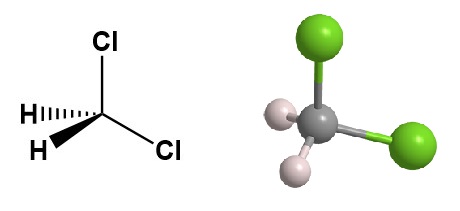
  • Dichloromethane structure
    Organic Chemicals

    Dichloromethane: Properties, Production and Uses

    Dichloromethane, also known as methylene chloride, or DCM, is a colorless, highly volatile liquid with a sweet, chloroform-like odor. Its chemical formula is CH2Cl2, and it is a widely used industrial solvent with a variety of applications. It represents 25% of the total production of chloromethanes (CH3Cl, CH2Cl2, CHCl3, and CCl4).

    Read More Dichloromethane: Properties, Production and UsesContinue

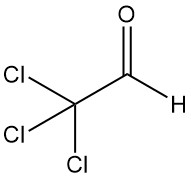
  • Trichloroacetaldehyde (Chloral) structure
    Organic Chemicals

    Trichloroacetaldehyde (Chloral)

    Trichloroacetaldehyde [75-87-6], also known as chloral or 2,2,2-trichloroethanal, is an organic compound with the formula CCl3CHO. It is a colorless liquid that was first produced in 1832 by Justus von Liebig through the chlorination of ethanol.

    Read More Trichloroacetaldehyde (Chloral)Continue

  • acetylation reaction
    Chemical Processes

    Acetylation

    In chemistry, acetylation is an organic reaction in which an acetyl group (CH3CO-) is introduced into a molecule. This reaction typically involves the use of acetic acid (CH3COOH) or acetic anhydride (CH3CO)2O as the acetylating agent. The resulting product is called acetate.

    Read More AcetylationContinue

  • Dichloroacetaldehyde structure
    Organic Chemicals

    Dichloroacetaldehyde: Properties, Production and Uses

    Dichloroacetaldehyde [79-02-7], or 2,2-dichloroethanal, is a chlorinated acetaldehyde with the chemical formula Cl2CHCHO. It is a colorless liquid with a pungent, irritating odor that was produced for the first time in 1868 by F. Paterno by distillation of dichlorodiethyl acetal, CHCl2CH(OC2H5)2, with sulfuric acid.

    Read More Dichloroacetaldehyde: Properties, Production and UsesContinue

  • Chloroacetaldehyde structure
    Organic Chemicals

    Chloroacetaldehyde: Properties, Production and Uses

    Chloroacetaldehyde [107-20-0], also known as 2-chloroethanal, is an organic compound with the formula CH2ClCHO. It is a colorless liquid that was first produced in pure form by K. Natterer in 1882 by heating chloroacetaldehyde diethyl acetal with anhydrous oxalic acid at 100–150 °C.

    Read More Chloroacetaldehyde: Properties, Production and UsesContinue

  • Tetrachloromethane structure
    Organic Chemicals

    Tetrachloromethane: Properties, Production and Uses

    Tetrachloromethane, also known as carbon tetrachloride, is an organic compound with the formula CCl4. It is a colorless volatile liquid with a characteristic odor that was used as an industrial solvent with a wide range of applications. However, its potent toxicity and harmful environmental impact have led to a significant decline in its use in recent decades.

    Read More Tetrachloromethane: Properties, Production and UsesContinue

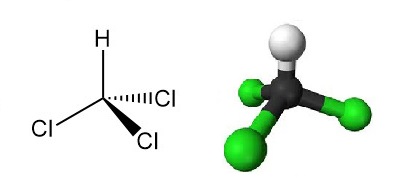
  • trichloromethane structure
    Organic Chemicals

    Trichloromethane: Properties, Production and Uses

    Trichloromethane, also known as chloroform [67-66-3], is an organic compound with the chemical formula CHCl3. It is a clear, colorless liquid with a sweet yet pungent odor. Historically, it was used in anesthesia and as a solvent, but due to its toxicity, it has been substituted by safer products.

    Read More Trichloromethane: Properties, Production and UsesContinue

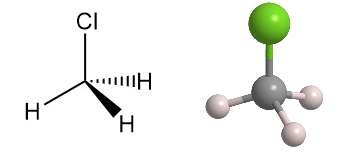
  • chloromethane structure
    Organic Chemicals

    Chloromethane: Properties, Production and Uses

    Chloromethane, also known as methyl chloride, is the simplest chlorinated derivative of methane with the chemical formula CH3Cl. It’s a colorless gas with a faint, sweet odor that occurs naturally in trace amounts but is primarily produced industrially.

    Read More Chloromethane: Properties, Production and UsesContinue

Page navigation

Previous PagePrevious 1 … 5 6 7 8 9 … 20 Next PageNext
At Chemcess, we are dedicated to providing accurate, comprehensive, and trustworthy information. All of our articles are meticulously researched, written, and reviewed by a qualified expert with advanced degrees and extensive research experience in organic, industrial, analytical, and physical chemistry. Our content is exclusively based on peer-reviewed scientific journals, authoritative academic books, and official data from reputable scientific institutions. To learn more about our methodology and commitment to accuracy, you can read our full Editorial Policy.
  • About
  • Contact Us
  • Editorial Policy
  • Privacy Policy
  • Terms and Conditions

Copyright © 2026 | by Chemcess team

  • HOME
  • Chemicals
  • Organic Chemicals
  • Chemical Processes
  • Inorganic Compounds
  • Carboxylic Acids
  • About
  • Contact Us
Search