Skip to content
Facebook Linkedin Pinterest YouTube
CHEMCESS
  • EnglishExpand
    • Français
    • Español
    • Deutsch
    • Italiano
    • Nederlands
  • HOME
  • Chemicals
  • Organic Chemicals
  • Chemical Processes
  • Inorganic Compounds
  • Carboxylic Acids
  • About
  • Contact Us
  • Advertise with us
CHEMCESS
  • Boron Carbide
    Inorganic Compounds

    Boron Carbide: Properties, Production and Uses

    Boron carbide is a member of the important nonmetallic hard materials group alongside alumina, silicon carbide, and diamond with the chemical formula B4C. It is a black ceramic covalent material.

    Read More Boron Carbide: Properties, Production and UsesContinue

  • boron
    Chemicals

    Boron: Properties, Production and Uses

    Boron is a nonmetallic element found in the third main group of the periodic table with the symbol B. It is not found free in nature, but rather bound to oxygen. Boron occurs as orthoboric acid and as alkali-metal and alkaline earth metal borates.

    Read More Boron: Properties, Production and UsesContinue

  • boric acid powder
    Inorganic Compounds

    Boric Acid: Properties, Production and Uses

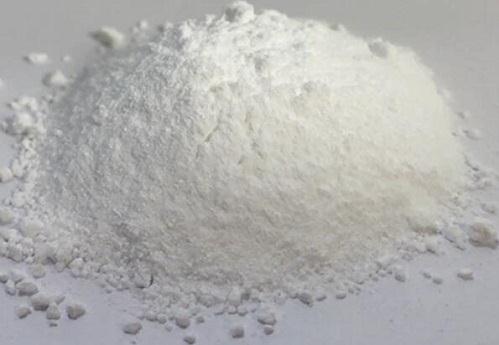
    Boric acid is a hydrate of boric oxide, existing as both the trihydrate orthoboric acid, H3BO3 (B2O3·3 H2O), and the monohydrate metaboric acid, HBO2 (B2O3·H2O). Orthoboric acid is the commonly encountered commercial form, often simply referred to as boric acid.
    Read More Boric Acid: Properties, Production and UsesContinue

  • boric oxide powder
    Inorganic Compounds

    Boron trioxide: Properties, Production and Uses

    Boron trioxide, also known as diboron trioxide, is the compound with the chemical formula B₂O₃. It is a colorless, transparent solid that is almost always glassy (amorphous), but can be crystallized with great difficulty.
    Read More Boron trioxide: Properties, Production and UsesContinue

  • Benzylamine structure
    Organic Chemicals

    Benzylamine: Properties, Production and Uses

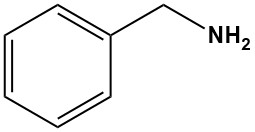
    Benzylamine is an organic compound with the chemical formula C6H5CH2NH2. It is a colorless liquid with a characteristic amine odor. It is a primary amine with a benzene ring attached to it.
    Read More Benzylamine: Properties, Production and UsesContinue

  • Benzyl alcohol structure
    Organic Chemicals

    Benzyl Alcohol: Properties, Production and Uses

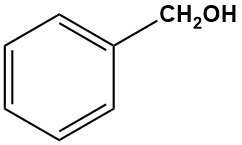
    Benzyl alcohol is the simplest and most important industrial aromatic alcohol, with the chemical formula C6H5CH2OH. It is a colorless liquid at room temperature with a faint, pleasant odor that is slightly soluble in water but miscible with many organic solvents.

    Read More Benzyl Alcohol: Properties, Production and UsesContinue

  • Products from benzene
    Organic Chemicals

    Benzene: Properties, Reactions and Uses

    Benzene is a single-ring aromatic compound with the formula C6H6. It is a colorless, flammable liquid with a sweet odor. Benzene is thermally stable and chemically reactive, making it a valuable precursor to many other chemicals.
    Read More Benzene: Properties, Reactions and UsesContinue

  • Production methods of Benzene
    Chemical Processes

    Industrial Production of Benzene

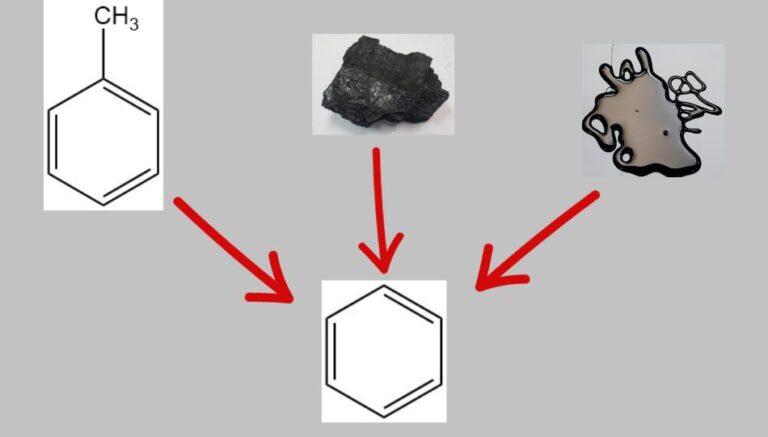
    Benzene was traditionally produced from coal, but petroleum became the primary source in the mid-20th century due to new processes and increased demand. Catalytic cracking and reforming of petroleum fractions produce benzene and other aromatics.

    Read More Industrial Production of BenzeneContinue

  • 1,4-benzoquinone structure
    Organic Chemicals

    1,4-Benzoquinone: Production, Reactions and Uses

    1,4-Benzoquinone, also commonly known as para-benzoquinone or simply quinone, is an organic compound with the formula C6H4O2. It appears as bright yellow crystals with a pungent odor similar to chlorine or bleach.

    Read More 1,4-Benzoquinone: Production, Reactions and UsesContinue

  • Benzenesulfonic acid structure
    Organic Chemicals

    Benzenesulfonic Acid: Properties, Production and Uses

    Benzenesulfonic acid is an organic molecule with the formula C6H5SO3H. It is a white crystals or waxy solid that is soluble in water and ethanol.
    Read More Benzenesulfonic Acid: Properties, Production and UsesContinue

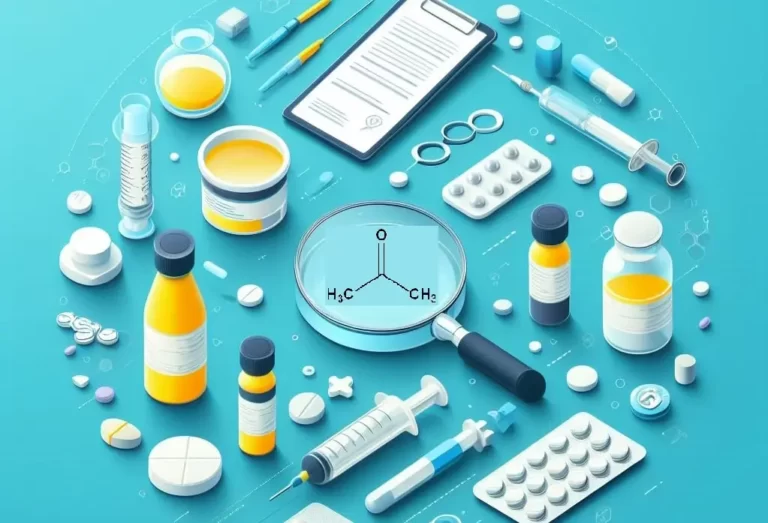
  • uses of acetone for drugs
    Chemicals

    What is Acetone Used For in Drugs?

    Acetone is used as an excipient in pharmaceuticals. It plays a role in the production of pills/tablets and liquid medications, helping to balance fillers and active ingredients.

    Read More What is Acetone Used For in Drugs?Continue

  • benzaldehyde condensation reaction
    Chemical Processes

    Benzaldehyde Condensation

    Benzaldehyde condensation is a chemical reaction between benzaldehyde and an aldehyde or ketone molecules with an α-hydrogen to form an β-hydroxy aldehyde or ketone. The reaction is typically catalyzed by a strong base, such as sodium hydroxide or potassium hydroxide.

    Read More Benzaldehyde CondensationContinue

Page navigation

Previous PagePrevious 1 … 8 9 10 11 12 … 20 Next PageNext
At Chemcess, we are dedicated to providing accurate, comprehensive, and trustworthy information. All of our articles are meticulously researched, written, and reviewed by a qualified expert with advanced degrees and extensive research experience in organic, industrial, analytical, and physical chemistry. Our content is exclusively based on peer-reviewed scientific journals, authoritative academic books, and official data from reputable scientific institutions. To learn more about our methodology and commitment to accuracy, you can read our full Editorial Policy.
  • Privacy Policy
  • Editorial Policy
  • Terms and Conditions
  • Advertise with us

Copyright © 2026 | by Chemcess team

  • HOME
  • Chemicals
  • Organic Chemicals
  • Chemical Processes
  • Inorganic Compounds
  • Carboxylic Acids
  • About
  • Contact Us
  • Advertise with us
Search