Skip to content
Facebook Linkedin Pinterest YouTube
CHEMCESS
  • EnglishExpand
    • Français
    • Español
    • Deutsch
    • Italiano
    • Nederlands
  • HOME
  • Chemicals
  • Organic Chemicals
  • Chemical Processes
  • Inorganic Compounds
  • Carboxylic Acids
  • About
  • Contact Us
CHEMCESS
  • 1,4-Butanediol structure
    Organic Chemicals

    1,4-Butanediol: Properties, Reaction, Production and Uses

    1,4-butanediol (often abbreviated as 1,4-BDO) is a chemical compound with the molecular formula C4H10O2. It is a colorless and odorless liquid that belongs to the family of diols, which are compounds that contain two hydroxyl (OH) groups.
    Read More 1,4-Butanediol: Properties, Reaction, Production and UsesContinue

  • Nitrobenzene structure
    Organic Chemicals

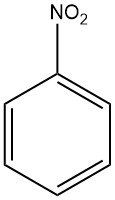
    Nitrobenzene: Production, Reaction and Uses

    Nitrobenzene is an organic chemical compound with the molecular formula C6H5NO2. It is a pale yellow liquid with a distinctive odor similar to bitter almonds.

    Read More Nitrobenzene: Production, Reaction and UsesContinue

  • Acrylonitrile
    Organic Chemicals

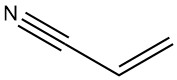
    Acrylonitrile: Properties, Reactions, Production and Uses

    Acrylonitrile is a chemical compound with the chemical formula C3H3N. It is a clear, colorless liquid at room temperature and possesses a nitrile functional group attached to a carbon-carbon double bond. Acrylonitrile is an essential intermediate in the chemical industry and serves as a building block for various products.

    Read More Acrylonitrile: Properties, Reactions, Production and UsesContinue

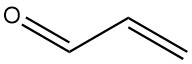
  • Acrolein structure
    Organic Chemicals

    Acrolein: Properties, Reactions, Production and Uses

    Acrolein, also known as propenal or acrylaldehyde, is the simplest unsaturated aldehyde with the formula C3H4O. It is a volatile, colorless liquid with a strong odor that is both toxic and tear-inducing.

    Read More Acrolein: Properties, Reactions, Production and UsesContinue

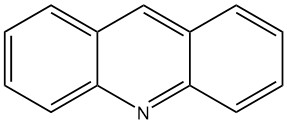
  • Acridine
    Organic Chemicals

    Acridine: Production, Properties and Uses

    Acridine is an organic compound, a nitrogen heterocycle, with the molecular formula C13H9N. It was first discovered in 1870 by C. Graebe and H. Caro in coal-tar anthracene oil and was later identified as dibenzopyridine by C. Riedel, A. Bernthsen, and F. Bender in 1883.

    Read More Acridine: Production, Properties and UsesContinue

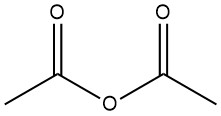
  • Acetic Anhydride structure
    Organic Chemicals

    Acetic anhydride: Properties, Reactions, Production and Uses

    Acetic anhydride is an organic compound with the chemical formula (CH3CO)2O. It is a colorless liquid with a pungent odor and is commonly used as an acetylating agent and a dehydrating agent.

    Read More Acetic anhydride: Properties, Reactions, Production and UsesContinue

  • Carbon disulfide
    Organic Chemicals

    Carbon disulfide: properties, reactions, production and uses

    Carbon disulfide is a colorless liquid with the formula CS2. It is a significant chemical compound widely employed in various industrial applications.

    Read More Carbon disulfide: properties, reactions, production and usesContinue

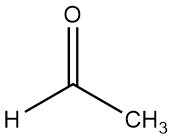
  • acetaldehyde
    Organic Chemicals

    Acetaldehyde: Properties, Reactions and Uses

    Acetaldehyde, also known as ethanal, is an organic chemical compound with the formula CH3CHO. It is a volatile, low-boiling, and highly flammable liquid characterized by its strong odor.

    Read More Acetaldehyde: Properties, Reactions and UsesContinue

  • benzotrichloride
    Organic Chemicals

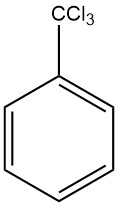
    Benzotrichloride: Properties, Reactions, Production and Uses

    Benzotrichloride is the product resulting from exhaustive chlorination of the side chain of toluene also known as trichloromethylbenzene, α,α,α-trichlorotoluene and phenyl chloroform. It is a chemical compound with the formula C7H5Cl3.

    Read More Benzotrichloride: Properties, Reactions, Production and UsesContinue

  • methanol structure
    Organic Chemicals

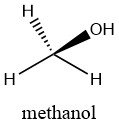
    Methanol: properties, production, reactions and uses

    Methanol, also known as wood alcohol, is a chemical compound with the formula CH3OH. It is a colorless, flammable liquid with a distinctive alcoholic odor. Methanol is the simplest alcohol, and it is the most important alcohol industrially.

    Read More Methanol: properties, production, reactions and usesContinue

  • Ethanol structure
    Organic Chemicals

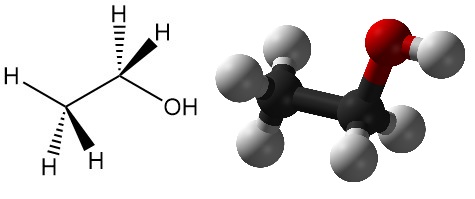
    Ethanol: Properties, Reactions, Production and Uses

    Ethanol, also known as ethyl alcohol, is one of the most important alcohols, with the chemical formula CH3CH2OH. It is a colorless, volatile liquid with a characteristic odor and is widely used in a diverse range of applications. Other names of ethanol include alcohol spirit, spirit of wine, grain alcohol, absolute alcohol, and ethyl hydrate.

    Read More Ethanol: Properties, Reactions, Production and UsesContinue

  • butanal structure
    Organic Chemicals

    Butanal: production, reactions and uses

    Butanal, also known as butyraldehyde, is an organic compound with the formula CH3(CH2)2CHO. It is a colorless flammable liquid with a strong, unpleasant odor, often described as bready, cheesy, or buttery.

    Read More Butanal: production, reactions and usesContinue

Page navigation

Previous PagePrevious 1 … 5 6 7 8 9 Next PageNext
At Chemcess, we are dedicated to providing accurate, comprehensive, and trustworthy information. All of our articles are meticulously researched, written, and reviewed by a qualified expert with advanced degrees and extensive research experience in organic, industrial, analytical, and physical chemistry. Our content is exclusively based on peer-reviewed scientific journals, authoritative academic books, and official data from reputable scientific institutions. To learn more about our methodology and commitment to accuracy, you can read our full Editorial Policy.
  • Privacy Policy
  • Editorial Policy
  • Terms and Conditions

Copyright © 2026 | by Chemcess team

  • HOME
  • Chemicals
  • Organic Chemicals
  • Chemical Processes
  • Inorganic Compounds
  • Carboxylic Acids
  • About
  • Contact Us
Search