Skip to content
Facebook Linkedin Pinterest YouTube
CHEMCESS
  • EnglishExpand
    • Français
    • Español
    • Deutsch
    • Italiano
    • Nederlands
  • HOME
  • Chemicals
  • Organic Chemicals
  • Chemical Processes
  • Inorganic Compounds
  • Carboxylic Acids
  • About
  • Contact Us
CHEMCESS
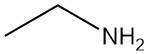
  • ethylamine structure
    Organic Chemicals

    Ethylamine: Properties, Reactions, Production and Uses

    Ethylamine, also known as ethanamine, is a primary aliphatic amine with the chemical formula C2H5NH2. It is a flammable gas at room temperature with an ammonia-like odor.

    Read More Ethylamine: Properties, Reactions, Production and UsesContinue

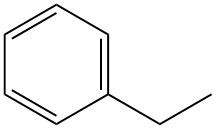
  • Ethylbenzene structure
    Organic Chemicals

    Ethylbenzene: Properties, Production, Uses and Toxicology

    Ethylbenzene, also known as phenylethane, is a single-ring alkylaromatic hydrocarbon with the formula C8H10. It is a highly flammable, colorless liquid with a characteristic aromatic odor.
    Read More Ethylbenzene: Properties, Production, Uses and ToxicologyContinue

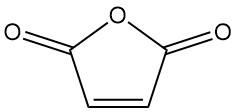
  • Maleic Anhydride structure
    Organic Chemicals

    Maleic Anhydride: Properties, Reactions, Production and Uses

    Maleic anhydride, also known as 2,5-furandione, is an organic compound with the formula C4H2O3. It is a colorless or white solid with a strong, irritating odor that is industrially more important compared to maleic acid.
    Read More Maleic Anhydride: Properties, Reactions, Production and UsesContinue

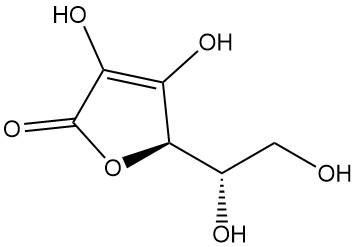
  • L-ascorbic acid structure
    Organic Chemicals

    L-Ascorbic Acid: Properties, Reactions, Production and Uses

    L-ascorbic acid, also known as (2R)-2-[(1S)-1,2-dihydroxyethyl]-3,4-dihydroxy-2H-furan-5-one, is the IUPAC designation for vitamin C. It is a white or odorless powder or crystal with an acidic taste that is found in nature and has antiscorbutic activity, meaning it prevents scurvy, a disease caused by vitamin C deficiency.
    Read More L-Ascorbic Acid: Properties, Reactions, Production and UsesContinue

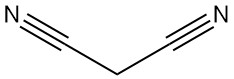
  • Malononitrile structure
    Organic Chemicals

    Malononitrile: Properties, Reactions, Production and Uses

    Malononitrile, also known as propanedinitrile, malonic acid dinitrile, or dicyanomethane, is an organic compound with the chemical formula C3H2N2. It is a colorless or white solid that is a valuable building block used extensively in organic synthesis.
    Read More Malononitrile: Properties, Reactions, Production and UsesContinue

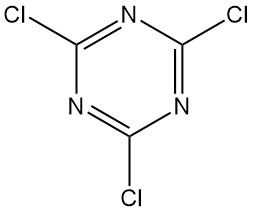
  • Cyanuric Chloride structure
    Organic Chemicals

    Cyanuric Chloride: Properties, Reactions, Production and Uses

    Cyanuric chloride, also known as 2,4,6-trichloro-1,3,5-triazine, is an organic compound with the formula C3N3Cl3. It appears as a colorless, crystalline solid with a pungent odor. It is the chlorinated derivative of 1,3,5-triazine and the trimer of cyanogen chloride.
    Read More Cyanuric Chloride: Properties, Reactions, Production and UsesContinue

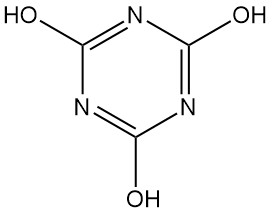
  • Cyanuric Acid structure
    Organic Chemicals

    Cyanuric Acid: Properties, Reactions, Production and Uses

    Cyanuric acid, also known as 1,3,5-triazine-2,4,6(1H,3H,5H)-trione, is an odorless white crystalline solid with a molecular formula of C3H3N3O3. It is a cyclic trimer that interconverts between several structures via lactam-lactim tautomerism.
    Read More Cyanuric Acid: Properties, Reactions, Production and UsesContinue

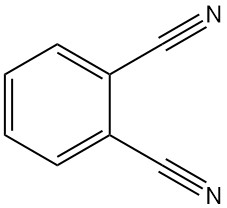
  • Phthalonitrile structure
    Organic Chemicals

    Phthalonitrile: Properties, Reactions, Production and Uses

    Phthalonitrile, also known as 1,2-dicyanobenzene or 1,2-benzenedicarbonitrile, is an organic compound with the formula C8H4N2. It is a crystalline powder with a faint grayish yellow color and a slight aromatic odor, similar to benzonitrile.
    Read More Phthalonitrile: Properties, Reactions, Production and UsesContinue

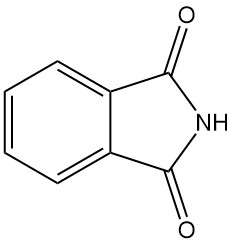
  • Phthalimide structure
    Organic Chemicals

    Phthalimide: Properties, Reactions, Production and Uses

    Phthalimide, also known as 1,3-dioxoisoindoline, is an organic compound with the chemical formula C8H5O2N. It is a white solid that is slightly soluble in water and soluble in basic solutions.
    Read More Phthalimide: Properties, Reactions, Production and UsesContinue

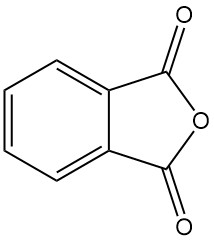
  • Phthalic Anhydride structure
    Organic Chemicals

    Phthalic Anhydride: Properties, Reactions, Production and Uses

    Phthalic anhydride [85-44-9], also known as isobenzofuran-1,3-dione, is an organic compound with the formula C6H4(CO)2O. It is a colorless to white, solid in the form of needles with a mild, distinctive odor that is formed by the dehydration of phthalic acid.
    Read More Phthalic Anhydride: Properties, Reactions, Production and UsesContinue

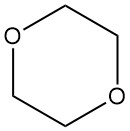
  • 1,4-Dioxane structure
    Organic Chemicals

    Dioxane: Properties, Reactions, Production and Uses

    Dioxane, or 1,4-dioxane, is a heterocyclic diether with the formula C4H8O2. It is a flammable, colorless liquid with a faint, sweet odor similar to diethyl ether. It is known by other names such as p-dioxane, diethylene oxide, diethylene dioxide, diethylene ether, 1,4-dioxacyclohexane, dioxyethylene ether, and dioxan.
    Read More Dioxane: Properties, Reactions, Production and UsesContinue

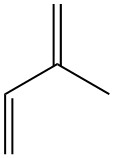
  • Isoprene structure
    Organic Chemicals

    Isoprene: Properties, Production and Uses

    Isoprene, also known as 2-methyl-1,3-butadiene, is a five-carbon hydrocarbon that exists in nature at trace levels. It is a colorless, volatile liquid with the chemical formula C5H8.

    Read More Isoprene: Properties, Production and UsesContinue

Page navigation

Previous PagePrevious 1 2 3 4 … 9 Next PageNext
At Chemcess, we are dedicated to providing accurate, comprehensive, and trustworthy information. All of our articles are meticulously researched, written, and reviewed by a qualified expert with advanced degrees and extensive research experience in organic, industrial, analytical, and physical chemistry. Our content is exclusively based on peer-reviewed scientific journals, authoritative academic books, and official data from reputable scientific institutions. To learn more about our methodology and commitment to accuracy, you can read our full Editorial Policy.
  • Privacy Policy
  • Editorial Policy
  • Terms and Conditions

Copyright © 2026 | by Chemcess team

  • HOME
  • Chemicals
  • Organic Chemicals
  • Chemical Processes
  • Inorganic Compounds
  • Carboxylic Acids
  • About
  • Contact Us
Search