Skip to content
Facebook Linkedin Pinterest YouTube
CHEMCESS
  • EnglishExpand
    • Français
    • Español
    • Deutsch
    • Italiano
    • Nederlands
  • HOME
  • Chemicals
  • Organic Chemicals
  • Chemical Processes
  • Inorganic Compounds
  • Carboxylic Acids
  • About
  • Contact Us
CHEMCESS
  • Chloroacetaldehyde structure
    Organic Chemicals

    Chloroacetaldehyde: Properties, Production and Uses

    Chloroacetaldehyde [107-20-0], also known as 2-chloroethanal, is an organic compound with the formula CH2ClCHO. It is a colorless liquid that was first produced in pure form by K. Natterer in 1882 by heating chloroacetaldehyde diethyl acetal with anhydrous oxalic acid at 100–150 °C.

    Read More Chloroacetaldehyde: Properties, Production and UsesContinue

  • Tetrachloromethane structure
    Organic Chemicals

    Tetrachloromethane: Properties, Production and Uses

    Tetrachloromethane, also known as carbon tetrachloride, is an organic compound with the formula CCl4. It is a colorless volatile liquid with a characteristic odor that was used as an industrial solvent with a wide range of applications. However, its potent toxicity and harmful environmental impact have led to a significant decline in its use in recent decades.

    Read More Tetrachloromethane: Properties, Production and UsesContinue

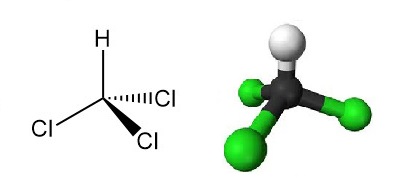
  • trichloromethane structure
    Organic Chemicals

    Trichloromethane: Properties, Production and Uses

    Trichloromethane, also known as chloroform [67-66-3], is an organic compound with the chemical formula CHCl3. It is a clear, colorless liquid with a sweet yet pungent odor. Historically, it was used in anesthesia and as a solvent, but due to its toxicity, it has been substituted by safer products.

    Read More Trichloromethane: Properties, Production and UsesContinue

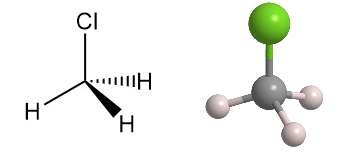
  • chloromethane structure
    Organic Chemicals

    Chloromethane: Properties, Production and Uses

    Chloromethane, also known as methyl chloride, is the simplest chlorinated derivative of methane with the chemical formula CH3Cl. It’s a colorless gas with a faint, sweet odor that occurs naturally in trace amounts but is primarily produced industrially.

    Read More Chloromethane: Properties, Production and UsesContinue

  • Carbazole structure
    Organic Chemicals

    Carbazole: Properties, Production and Uses

    Carbazole is a heterocyclic aromatic hydrocarbon with the chemical formula C12H9N. It was first isolated from coal tar in 1872 by Graebe and Glaser. Its structure features a dibenzopyrrole, consisting of a five-membered nitrogen-containing ring fused to two benzene rings.

    Read More Carbazole: Properties, Production and UsesContinue

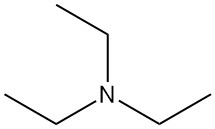
  • Triethylamine structure
    Organic Chemicals

    Triethylamine: Properties, Production and Uses

    Triethylamine (TEA) is tertiary amine, represented by the chemical formula N(CH2CH3)3. It is a colorless easily flammable liquid with an ammonia-like odor. It one of the most widely used organic amine base in synthetic organic chemistry.

    Read More Triethylamine: Properties, Production and UsesContinue

  • caprolactam Structure
    Organic Chemicals

    ε-Caprolactam: Properties, Reactions and Uses

    Caprolactam, also known as 2-oxohexamethylenimine or hexahydro-1H-azepin-2-one, is a cyclic amide derived from caproic acid with the formula C6H11NO. It exists as a white, hygroscopic solid with a slight odor. It is used to produce Nylon 6 and the global demand for caprolactam surpasses 5 million tons annually.

    Read More ε-Caprolactam: Properties, Reactions and UsesContinue

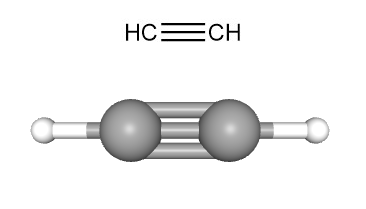
  • Acetylene structure
    Organic Chemicals

    Acetylene: Properties, Reactions and Toxicology

    Acetylene also known as ethyne, is a colorless, flammable gas with the chemical formula C2H2. It is the simplest hydrocarbon with a triple bond. It finds widespread use as a fuel in oxy-acetylene welding and cutting due to its incredibly hot flame, and as a chemical building block for various organic chemicals and plastics.

    Read More Acetylene: Properties, Reactions and ToxicologyContinue

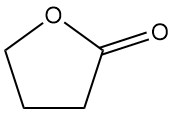
  • Butyrolactone structure
    Organic Chemicals

    Butyrolactone: Properties, Production and Uses

    γ-Butyrolactone (CAS 96-48-0), also known as γ-hydroxybutyric acid lactone, is a simple organic compound with the formula C4H6O2. It is a hygroscopic and colorless liquid with a faint odor, might seem unremarkable at first glance.

    Read More Butyrolactone: Properties, Production and UsesContinue

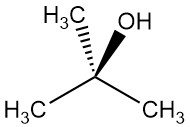
  • Tert-butanol structure
    Organic Chemicals

    2-Methyl-2-propanol: Properties, Production and Uses

    2-Methyl-2-propanol, also known as tert-butanol, is the simplest tertiary alcohol with the chemical formulat (CH3)3COH. It is a colorless, solid crystal at room temperature. However, it melts near room temperature (26 °C) to become a viscous liquid with a camphor-like odor.

    Read More 2-Methyl-2-propanol: Properties, Production and UsesContinue

  • 2-butanol structure
    Organic Chemicals

    2-Butanol: Properties, Production and Uses

    2-Butanol, also known as sec-butanol, is a colorless liquid with the formula CH3CH(OH)CH2CH3. It is a secondary alcohol and unlike its structural isomers, 1-butanol, isobutanol, and tert-butanol, 2-butanol is chiral. This means it exists in two forms, (R)-2-butanol and (S)-2-butanol

    Read More 2-Butanol: Properties, Production and UsesContinue

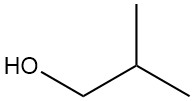
  • 2-Methyl-1-propanol structure
    Organic Chemicals

    2-Methyl-1-propanol: Properties, Production and Uses

    2-Methyl-1-propanol, also known as isobutanol or isobutyl alcohol, is an organic compound with the chemical formula (CH3)2CHCH2OH. It is a colorless liquid with a characteristic smell that occurs in natural products as well as in fusel oils.

    Read More 2-Methyl-1-propanol: Properties, Production and UsesContinue

Page navigation

Previous PagePrevious 1 2 3 4 5 6 … 9 Next PageNext
At Chemcess, we are dedicated to providing accurate, comprehensive, and trustworthy information. All of our articles are meticulously researched, written, and reviewed by a qualified expert with advanced degrees and extensive research experience in organic, industrial, analytical, and physical chemistry. Our content is exclusively based on peer-reviewed scientific journals, authoritative academic books, and official data from reputable scientific institutions. To learn more about our methodology and commitment to accuracy, you can read our full Editorial Policy.
  • Privacy Policy
  • Editorial Policy
  • Terms and Conditions

Copyright © 2026 | by Chemcess team

  • HOME
  • Chemicals
  • Organic Chemicals
  • Chemical Processes
  • Inorganic Compounds
  • Carboxylic Acids
  • About
  • Contact Us
Search