Skip to content
Facebook Linkedin Pinterest YouTube
CHEMCESS
  • EnglishExpand
    • Français
    • Español
    • Deutsch
    • Italiano
    • Nederlands
  • HOME
  • Chemicals
  • Organic Chemicals
  • Chemical Processes
  • Inorganic Compounds
  • Carboxylic Acids
  • About
  • Contact Us
CHEMCESS
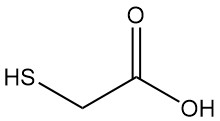
  • Mercaptoacetic acid structure
    Carboxylic Acids

    Thioglycolic Acid: Properties, Reactions, Production and Uses

    Thioglycolic acid, also known as mercaptoacetic acid, is the simplest and industrially most important mercaptocarboxylic acid with the formula HSCH2COOH. It is a colorless liquid with a strong, unpleasant odor.
    Read More Thioglycolic Acid: Properties, Reactions, Production and UsesContinue

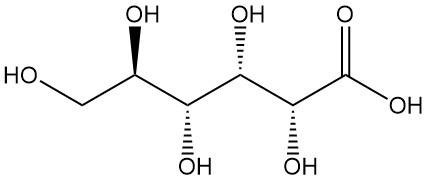
  • Gluconic Acid structure
    Carboxylic Acids

    Gluconic Acid: Properties, Reaction, Production and Uses

    Gluconic acid, also known as 1,2,3,4,5-pentahydroxy pentane-1-carboxylic acid, is an organic acid with the formula C6H12O7. It is a white, odorless, crystalline powder that is naturally found in humans and other organisms and also in food products such as wine and honey.

    Read More Gluconic Acid: Properties, Reaction, Production and UsesContinue

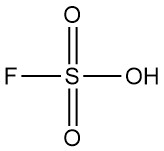
  • Fluorosulfuric Acid structure
    Inorganic Compounds

    Fluorosulfuric Acid: Properties, Production and Uses

    Fluorosulfuric acid is an inorganic compound with the chemical formula HSO3F. It is a colorless to pale yellow liquid with a stinging odor that fumes readily in moist air. It is recognized as one of the strongest acids commercially available.

    Read More Fluorosulfuric Acid: Properties, Production and UsesContinue

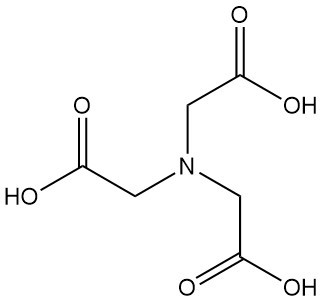
  • Nitrilotriacetic Acid structure
    Carboxylic Acids

    Nitrilotriacetic Acid: Properties, Production, Uses and Toxicology

    Nitrilotriacetic acid, also known as NTA or N,N-bis(carboxymethyl)glycine, is a tricarboxylic acid with the formula C6H9NO6. It is a colorless solid that belongs to the family of aminopolycarboxylic acids and is one of the most important chelating agents, along with EDTA.

    Read More Nitrilotriacetic Acid: Properties, Production, Uses and ToxicologyContinue

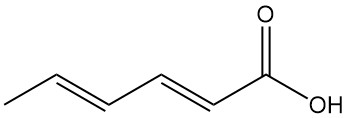
  • sorbic acid structure
    Carboxylic Acids

    Sorbic Acid: Properties, Reactions, Production and Uses

    The trans, trans isomer of 2,4-hexadienoic acid, commonly known as sorbic acid, is a short-chain unsaturated fatty acid with the chemical formula C6H8O2. It is a naturally occurring organic acid that appears as colorless solid with a faint odor.

    Read More Sorbic Acid: Properties, Reactions, Production and UsesContinue

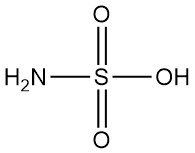
  • Sulfamic Acid structure
    Inorganic Compounds

    Sulfamic Acid: Properties, Reactions, Production and Uses

    Sulfamic acid, also known as amidosulfuric acid, is a strong inorganic acid with the chemical formula H3NSO3. It is a white, odorless, crystalline, and nonhygroscopic solid that is strongly dissociated in water.

    Read More Sulfamic Acid: Properties, Reactions, Production and UsesContinue

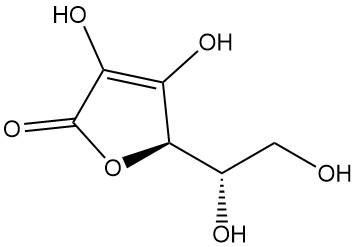
  • L-ascorbic acid structure
    Organic Chemicals

    L-Ascorbic Acid: Properties, Reactions, Production and Uses

    L-ascorbic acid, also known as (2R)-2-[(1S)-1,2-dihydroxyethyl]-3,4-dihydroxy-2H-furan-5-one, is the IUPAC designation for vitamin C. It is a white or odorless powder or crystal with an acidic taste that is found in nature and has antiscorbutic activity, meaning it prevents scurvy, a disease caused by vitamin C deficiency.

    Read More L-Ascorbic Acid: Properties, Reactions, Production and UsesContinue

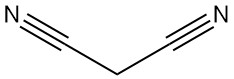
  • Malononitrile structure
    Organic Chemicals

    Malononitrile: Properties, Reactions, Production and Uses

    Malononitrile, also known as propanedinitrile, malonic acid dinitrile, or dicyanomethane, is an organic compound with the chemical formula C3H2N2. It is a colorless or white solid that is a valuable building block used extensively in organic synthesis.

    Read More Malononitrile: Properties, Reactions, Production and UsesContinue

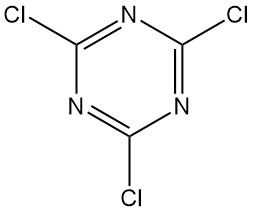
  • Cyanuric Chloride structure
    Organic Chemicals

    Cyanuric Chloride: Properties, Reactions, Production and Uses

    Cyanuric chloride, also known as 2,4,6-trichloro-1,3,5-triazine, is an organic compound with the formula C3N3Cl3. It appears as a colorless, crystalline solid with a pungent odor. It is the chlorinated derivative of 1,3,5-triazine and the trimer of cyanogen chloride.

    Read More Cyanuric Chloride: Properties, Reactions, Production and UsesContinue

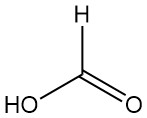
  • Formic acid structure
    Carboxylic Acids

    Formic Acid: Properties, Reactions, Production and Uses

    Methanoic acid, better known as formic acid, is the simplest carboxylic acid with the formula HCOOH. It is a colorless, corrosive liquid with a pungent odor that is completely miscible with water and many polar solvents but only partially miscible with hydrocarbons.

    Read More Formic Acid: Properties, Reactions, Production and UsesContinue

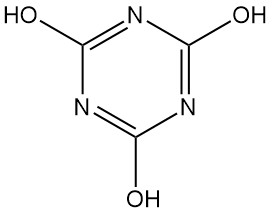
  • Cyanuric Acid structure
    Organic Chemicals

    Cyanuric Acid: Properties, Reactions, Production and Uses

    Cyanuric acid, also known as 1,3,5-triazine-2,4,6(1H,3H,5H)-trione, is an odorless white crystalline solid with a molecular formula of C3H3N3O3. It is a cyclic trimer that interconverts between several structures via lactam-lactim tautomerism.

    Read More Cyanuric Acid: Properties, Reactions, Production and UsesContinue

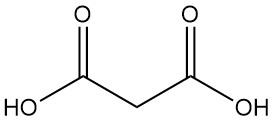
  • malonic acid structure
    Carboxylic Acids

    Malonic Acid: Properties, Reactions, Production and Uses

    Malonic acid, also known as propanedioic acid or methanedicarboxylic acid, is a dicarboxylic acid with the chemical formula C3H4O4. It is a colorless, hygroscopic solid that sublimes in a vacuum. The ionized form of malonic acid, as well as its esters and salts, are known as malonates.

    Read More Malonic Acid: Properties, Reactions, Production and UsesContinue

Page navigation

Previous PagePrevious 1 2 3 4 5 6 … 20 Next PageNext
At Chemcess, we are dedicated to providing accurate, comprehensive, and trustworthy information. All of our articles are meticulously researched, written, and reviewed by a qualified expert with advanced degrees and extensive research experience in organic, industrial, analytical, and physical chemistry. Our content is exclusively based on peer-reviewed scientific journals, authoritative academic books, and official data from reputable scientific institutions. To learn more about our methodology and commitment to accuracy, you can read our full Editorial Policy.
  • Privacy Policy
  • Editorial Policy
  • Terms and Conditions

Copyright © 2026 | by Chemcess team

  • HOME
  • Chemicals
  • Organic Chemicals
  • Chemical Processes
  • Inorganic Compounds
  • Carboxylic Acids
  • About
  • Contact Us
Search