Skip to content
Facebook Linkedin Pinterest YouTube
CHEMCESS
  • EnglishExpand
    • Français
    • Español
    • Deutsch
    • Italiano
    • Nederlands
  • HOME
  • Chemicals
  • Organic Chemicals
  • Chemical Processes
  • Inorganic Compounds
  • Carboxylic Acids
  • About
  • Contact Us
  • Advertise with us
CHEMCESS
  • Production of titanium dioxide by the sulfate process
    Chemical Processes

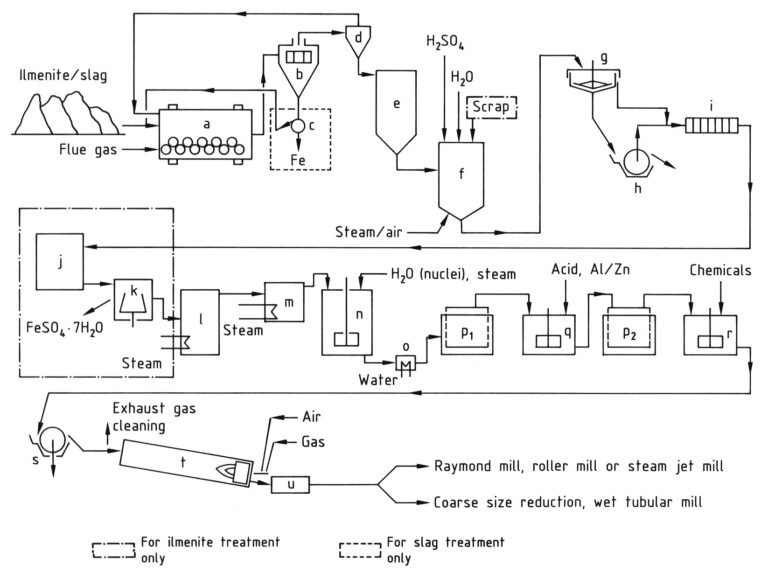
    Production Processes of Titanium Dioxide: a Complete Overview

    Commercial titanium dioxide is manufactured via two distinct industrial methods: the sulfate process and the chloride process.

    Read More Production Processes of Titanium Dioxide: a Complete OverviewContinue

  • Raw materials used for the production of titanium dioxide
    Chemical Processes

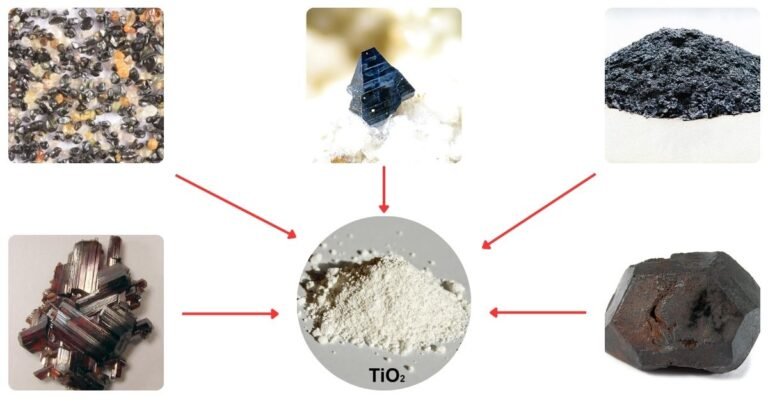
    Raw materials used for the production of titanium dioxide

    The raw materials for titanium dioxide production include natural products such as ilmenite, leucoxene, and rutile, and some very important synthetic materials such as titanium slag and synthetic rutile.
    Read More Raw materials used for the production of titanium dioxideContinue

  • Zinc oxide powder
    Inorganic Compounds

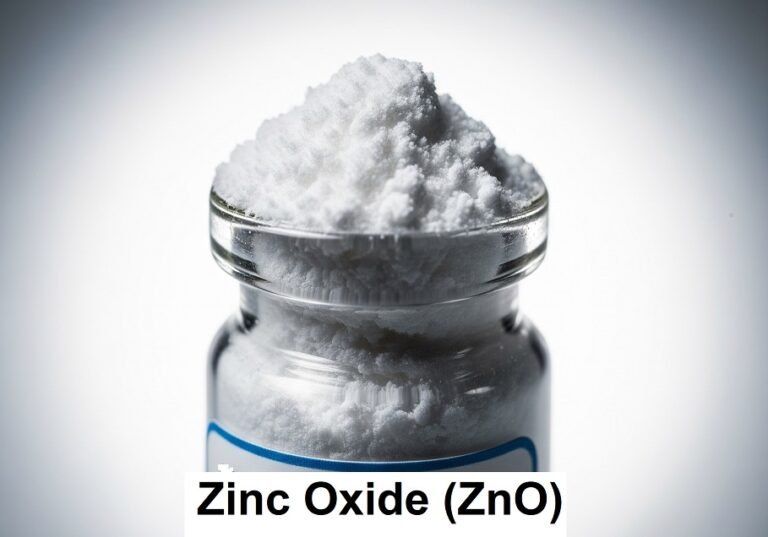
    Zinc Oxide: Properties, Production and Uses

    Zinc oxide is an inorganic compound with the chemical formula ZnO. It’s a white powder that is insoluble in water. While it can occur naturally as the mineral zincite, most zinc oxide used commercially is produced synthetically.
    Read More Zinc Oxide: Properties, Production and UsesContinue

  • o-cresol structure
    Organic Chemicals

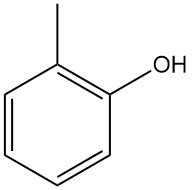
    o-Cresol: Properties, Reactions, Production and Uses

    o-Cresol, also known as 2-methylphenol, is an organic compound with the chemical formula C7H8O. It is a colorless crystalline solid at room temperature with a phenolic odor that is highly soluble in most organic solvents.
    Read More o-Cresol: Properties, Reactions, Production and UsesContinue

  • industrial production of cresol
    Chemical Processes

    Industrial Production of Cresols

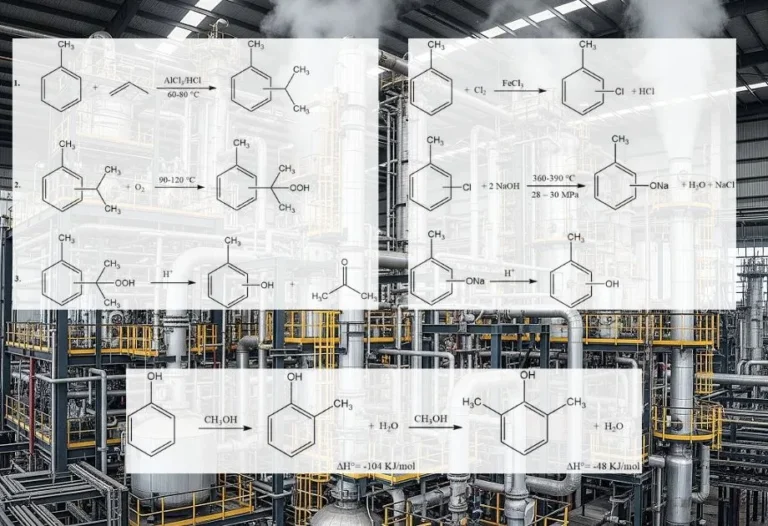
    Cresols are primarily produced by different processes such as alkali fusion of toluenesulfonates, alkaline chlorotoluene hydrolysis, splitting of cymene hydroperoxide, and vapor-phase methylation of phenol.
    Read More Industrial Production of CresolsContinue

  • toxicology of coumarin
    Miscellaneous

    Toxicology of Coumarin

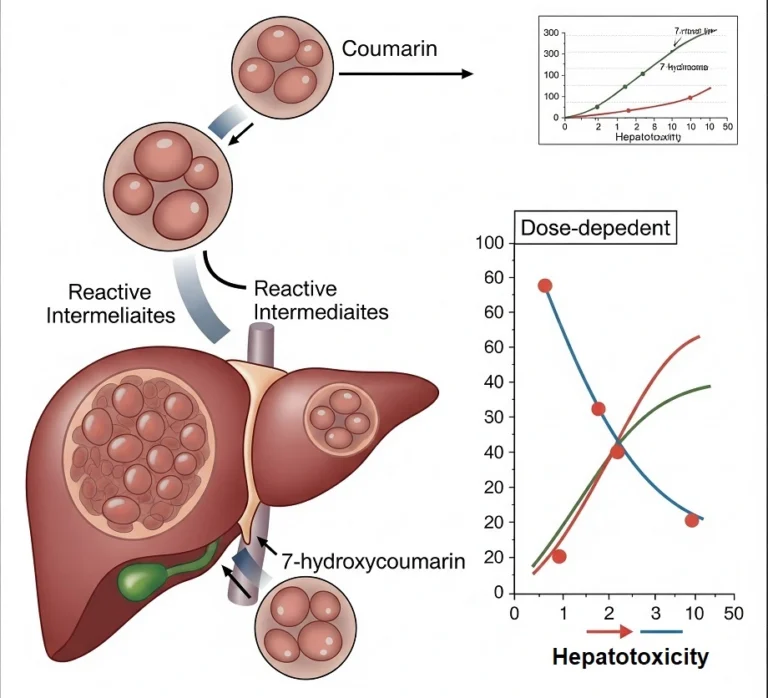
    Coumarin poses significant health risks. Ingestion, inhalation, and eye contact are hazardous, while skin contact is less severe. Acute overexposure can be fatal. Coumarin shows moderate toxicity to liver and kidneys, with a median lethal dose of 275 mg/kg. Hepatotoxicity is more pronounced in rats than mice.

    Read More Toxicology of CoumarinContinue

  • Molar Mass Calculator
    Calculators

    Molar Mass Calculator (Molecular Weight)

    The molar mass of a chemical compound is a fundamental concept in chemistry, representing the mass of one mole of that substance. Expressed in grams per mole (g/mol), it’s essentially the weight of 6.022 x 10²³ (Avogadro’s number) particles of the compound. Understanding molar mass is crucial for various chemical calculations, from determining reactant quantities in a reaction to preparing solutions of a specific concentration.
    Read More Molar Mass Calculator (Molecular Weight)Continue

  • indole structure
    Organic Chemicals

    Indole: Properties, Reactions, Production and Uses

    Indole, also known as 1-benzo[b]pyrrole, is an aromatic heterocyclic organic compound that has a bicyclic structure (a benzene fused to a pyrrole) with the chemical formula C8H7N. It is a colorless solid with a very persistent musty odor.
    Read More Indole: Properties, Reactions, Production and UsesContinue

  • coumarin structure
    Organic Chemicals

    Coumarin: Properties, Reactions, Production and Uses

    Coumarin, also known as 2H-1-benzopyran-2-one or 1,2-benzopyrone, is a natural aromatic lactone with the chemical formula C9H6O2. It is a colorless crystalline solid with a bittersweet odor like hay and is used as a fixative in perfumes.
    Read More Coumarin: Properties, Reactions, Production and UsesContinue

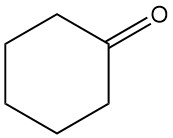
  • cyclohexanone structure
    Organic Chemicals

    Cyclohexanone: Properties, Reactions, Production and Uses

    Cyclohexanone is an organic compound with the chemical formula C6H10O. It is a colorless to pale yellow liquid with an odor similar to that of acetone that is very soluble in most organic solvents.
    Read More Cyclohexanone: Properties, Reactions, Production and UsesContinue

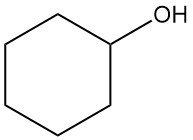
  • cyclohexanol structure
    Organic Chemicals

    Cyclohexanol: Properties, Reactions, Production and Uses

    Cyclohexanol is an organic compound with the chemical formula C6H12O. It is a colorless, viscous liquid or cristalline solid with a camphor-like odor that is very soluble in most organic solvents.
    Read More Cyclohexanol: Properties, Reactions, Production and UsesContinue

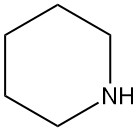
  • Piperidine structure
    Organic Chemicals

    Piperidine: Properties, Reactions, Production and Uses

    Piperidine, also known by other names such as hexahydropyridine, pentamethyleneimine, azacyclohexane, cyclopentimine, cypentil, and hexazane, is a secondary cyclic amine with the chemical formula C5H11N. It is a colorless liquid with a strong, unpleasant odor typical of amines.

    Read More Piperidine: Properties, Reactions, Production and UsesContinue

Page navigation

Previous PagePrevious 1 2 3 4 … 20 Next PageNext
At Chemcess, we are dedicated to providing accurate, comprehensive, and trustworthy information. All of our articles are meticulously researched, written, and reviewed by a qualified expert with advanced degrees and extensive research experience in organic, industrial, analytical, and physical chemistry. Our content is exclusively based on peer-reviewed scientific journals, authoritative academic books, and official data from reputable scientific institutions. To learn more about our methodology and commitment to accuracy, you can read our full Editorial Policy.
  • Privacy Policy
  • Editorial Policy
  • Terms and Conditions
  • Advertise with us

Copyright © 2026 | by Chemcess team

  • HOME
  • Chemicals
  • Organic Chemicals
  • Chemical Processes
  • Inorganic Compounds
  • Carboxylic Acids
  • About
  • Contact Us
  • Advertise with us
Search