Skip to content
Facebook Linkedin Pinterest YouTube
CHEMCESS
  • EnglishExpand
    • Français
    • Español
    • Deutsch
    • Italiano
    • Nederlands
  • HOME
  • Chemicals
  • Organic Chemicals
  • Chemical Processes
  • Inorganic Compounds
  • Carboxylic Acids
  • About
  • Contact Us
CHEMCESS
  • aluminum chloride
    Inorganic Compounds

    Aluminum Chloride: Properties, Production and Uses

    Hans Christian Oersted first prepared anhydrous aluminum chloride in 1825 by passing chlorine gas through a heated mixture of alumina and carbon. This compound is a significant catalyst in organic chemistry, particularly for Friedel-Crafts alkylation and acylation, which are used to produce alkylated aromatics, dyestuffs, pharmaceuticals, and perfumery chemicals.
    Read More Aluminum Chloride: Properties, Production and UsesContinue

  • Alum crystals
    Inorganic Compounds

    Alums: Properties, Production and Uses

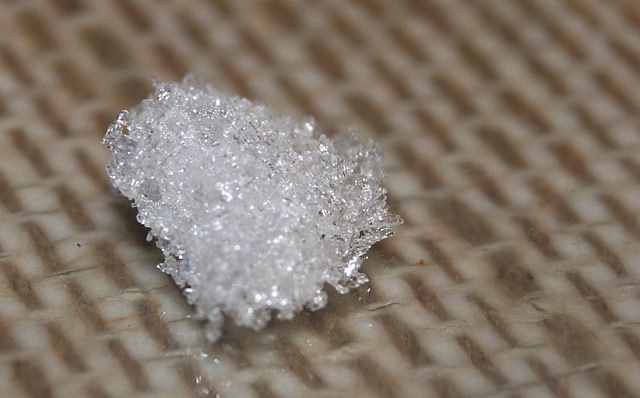
    Alum, recognized as a double salt of potassium and aluminum sulfates, was known among the ancient Greeks and Romans as both an astringent and a mordant for wool dyeing. It found diverse application, extending to skin processing, preservation of both animal and human remains, and for fireproofing wood.

    Read More Alums: Properties, Production and UsesContinue

  • watermelon ketone structure
    Organic Chemicals

    Calone 1951: Properties, Production and Uses

    Calone 1951 or watermelon ketone is a synthetic organic compound with the formula C11H12O2. It is a white powder with a fresh, marine odor. Watermelon ketone is used in the fragrance industry to create fresh aquatic marine notes.

    Read More Calone 1951: Properties, Production and UsesContinue

  • Aluminum sulfate
    Inorganic Compounds

    Aluminum Sulfate: Properties, Production and Uses

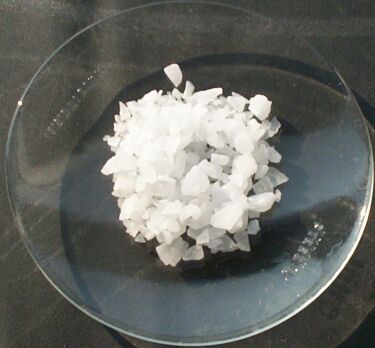
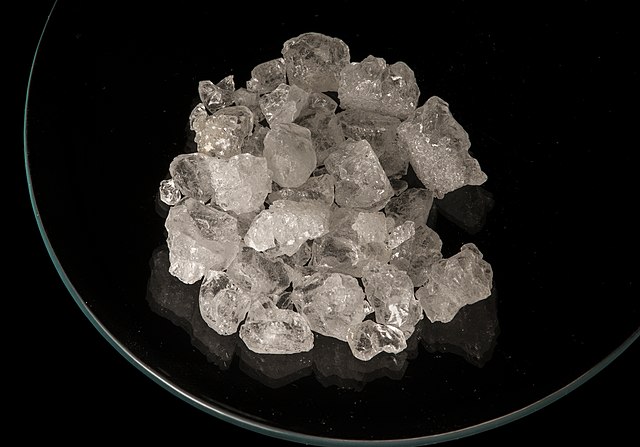
    Aluminum sulfate is a white, odorless, crystalline solid. It is a chemical compound with the formula Al2(SO4)3. It is soluble in water and forms a clear solution. Aluminum sulfate is a common industrial chemical and is used for a variety of purposes.

    Read More Aluminum Sulfate: Properties, Production and UsesContinue

  • Allyl Alcohol structure
    Organic Chemicals

    Allyl Alcohol: Properties, Production, Reaction and Uses

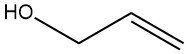
    Allyl alcohol is an organic compound with the chemical formula C3H6O. It belongs to the class of alcohols and contains both a hydroxyl group (-OH) and an allyl group (-CH2CH=CH2). It is an important chemical intermediate used in various industries.

    Read More Allyl Alcohol: Properties, Production, Reaction and UsesContinue

  • allyl chloride structure
    Organic Chemicals

    Allyl Chloride: Properties, Production, Reactions and Uses

    Allyl chloride, also known as 3-chloropropene, is an organic compound with the chemical formula C3H5Cl. It is a colorless to pale yellow liquid that holds significance in the field of organic chemistry due to its reactivity and industrial applications.

    Read More Allyl Chloride: Properties, Production, Reactions and UsesContinue

  • Ammonium chloride structure
    Inorganic Compounds

    Ammonium Chloride: Properties, Production and Uses

    Ammonium chloride (NH4Cl) is a chemical compound composed of ammonia (NH3) and hydrochloric acid (HCl). It exists as a white crystalline solid with a characteristic salty taste and is commonly known as sal ammoniac.

    Read More Ammonium Chloride: Properties, Production and UsesContinue

  • Ammonium nitrate structure
    Inorganic Compounds

    Ammonium Nitrate: Properties, Production and Uses

    Ammonium nitrate (NH4NO3) is a chemical compound composed of ammonium ions (NH4+) and nitrate ions (NO3-). It is a colorless, crystalline substance widely used in various applications, including agriculture, industry, and explosives.

    Read More Ammonium Nitrate: Properties, Production and UsesContinue

  • Ammonium Sulfate structure
    Inorganic Compounds

    Ammonium Sulfate: Properties, Production and Uses

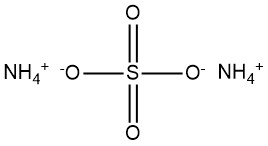
    Ammonium sulfate is a chemical compound with the formula (NH4)2SO4. It is commonly encountered as a white, crystalline powder or granular substance. It has emerged as a significant compound during the 19th century produced from ammonia found in coke-oven gas.

    Read More Ammonium Sulfate: Properties, Production and UsesContinue

  • 5-Aminosalicylic Acid structure
    Organic Chemicals

    4-Aminophenol Derivatives

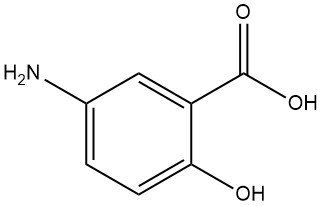
    4-(N-Methylamino)phenol, 4-(N,N-Dimethylamino)phenol, 4-Hydroxyacetanilide, 4-Methoxyaniline, 4-Ethoxyaniline, 4-Ethoxyacetanilide, 5-Aminosalicylic Acid, N-(4-Hydroxyphenyl)glycine, 4-Amino-2,6-dichlorophenol

    Read More 4-Aminophenol DerivativesContinue

  • aminophenols structure
    Organic Chemicals

    Aminophenol: Properties, Production, Reactions and Uses

    Aminophenols have been gaining significant commercial importance, both as standalone substances and as crucial components in the chemical and dye sectors.

    Read More Aminophenol: Properties, Production, Reactions and UsesContinue

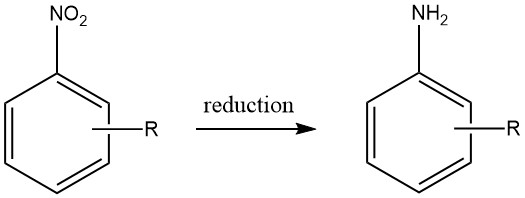
  • reduction of nitro aromatic compounds
    Chemical Processes

    Production of Aromatic Amines

    Aromatic amines are produced by three types of reactions:

    Reductions: using metallic elements like Iron (Fe), Zinc (Zn), Tin (Sn), Aluminum (Al), or their corresponding salts; sulfur-containing compounds; electrochemical procedures; and catalytic hydrogenation.
    Nucleophilic substitutions: involving the exchange of substituents like halogen, hydroxyl, alkoxy, and sulfonic groups.
    Rearrangements and degradations: including transformations such as the benzidine and Beckmann rearrangements, along with the Schmidt and Hofmann degradations.

    It should be noted that the first two reaction types are more important. Chemical rearrangements and degradations rarely result in pure reaction products with high yields.

    Read More Production of Aromatic AminesContinue

Page navigation

Previous PagePrevious 1 … 11 12 13 14 15 … 20 Next PageNext
At Chemcess, we are dedicated to providing accurate, comprehensive, and trustworthy information. All of our articles are meticulously researched, written, and reviewed by a qualified expert with advanced degrees and extensive research experience in organic, industrial, analytical, and physical chemistry. Our content is exclusively based on peer-reviewed scientific journals, authoritative academic books, and official data from reputable scientific institutions. To learn more about our methodology and commitment to accuracy, you can read our full Editorial Policy.
  • Privacy Policy
  • Editorial Policy
  • Terms and Conditions

Copyright © 2026 | by Chemcess team

  • HOME
  • Chemicals
  • Organic Chemicals
  • Chemical Processes
  • Inorganic Compounds
  • Carboxylic Acids
  • About
  • Contact Us
Search