Skip to content
Facebook Linkedin Pinterest YouTube
CHEMCESS
  • EnglishExpand
    • Français
    • Español
    • Deutsch
    • Italiano
    • Nederlands
  • HOME
  • Chemicals
  • Organic Chemicals
  • Chemical Processes
  • Inorganic Compounds
  • Carboxylic Acids
  • About
  • Contact Us
CHEMCESS
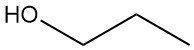
  • 1-propanol structure
    Organic Chemicals

    1-Propanol: Properties, Reactions, Production and Uses

    1-Propanol, also called n-propyl alcohol or propan-1-ol, is a primary alcohol with the chemical formula CH3CH2CH2OH. It is a clear, colorless liquid with a characteristic alcoholic odor and is miscible with water, ethanol, and ether.
    Read More 1-Propanol: Properties, Reactions, Production and UsesContinue

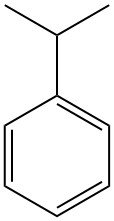
  • cumene structure
    Organic Chemicals

    Cumene: Properties, Reactions, Production, Uses and Toxicology

    Cumene, also known as isopropylbenzene or 2-phenylpropane, is an aromatic hydrocarbon with the chemical formula C9H12. It is a colorless, flammable liquid with a characteristic gasoline-like odor.

    Read More Cumene: Properties, Reactions, Production, Uses and ToxicologyContinue

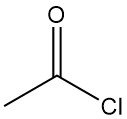
  • Acetyl chloride structure
    Organic Chemicals

    Acetyl chloride: Properties, Reactions, Production and Uses

    Acetyl chloride, also known as ethanoyl chloride, is an organic compound with the molecular formula CH3COCl. It is a colorless corrosive and strongly irritating liquid with a suffocating odor.

    Read More Acetyl chloride: Properties, Reactions, Production and UsesContinue

  • Acetamide structure
    Organic Chemicals

    Acetamide: Properties, Production and Applications

    Acetamide, also known as ethanamide or acetic acid amide, is an organic compound with the chemical formula C2H5NO. It is a white, odorless, hygroscopic solid formed from acetic acid and ammonia. Acetamide has been naturally found in the roots of sugar beets and in coal mine waste dumps as a minor by-product of organic material degradation.

    Read More Acetamide: Properties, Production and ApplicationsContinue

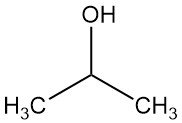
  • Isopropyl Alcohol Structure
    Organic Chemicals

    Isopropyl Alcohol: Properties, Chemical Reactions, Industrial Production, Applications, and Toxicology

    Isopropyl alcohol, also known as isopropanol or 2-propanol, is the simplest secondary alcohol with the chemical formula C3H7OH. It is a colorless, volatile, and flammable liquid that has a a slightly bitter taste and a faint odor similar to a mixture of ethanol and acetone.

    Read More Isopropyl Alcohol: Properties, Chemical Reactions, Industrial Production, Applications, and ToxicologyContinue

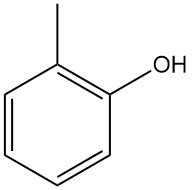
  • o-cresol structure
    Organic Chemicals

    o-Cresol: Properties, Reactions, Production and Uses

    o-Cresol, also known as 2-methylphenol, is an organic compound with the chemical formula C7H8O. It is a colorless crystalline solid at room temperature with a phenolic odor that is highly soluble in most organic solvents.

    Read More o-Cresol: Properties, Reactions, Production and UsesContinue

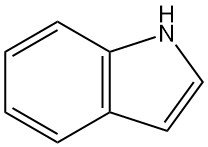
  • indole structure
    Organic Chemicals

    Indole: Properties, Reactions, Production and Uses

    Indole, also known as 1-benzo[b]pyrrole, is an aromatic heterocyclic organic compound that has a bicyclic structure (a benzene fused to a pyrrole) with the chemical formula C8H7N. It is a colorless solid with a very persistent musty odor.

    Read More Indole: Properties, Reactions, Production and UsesContinue

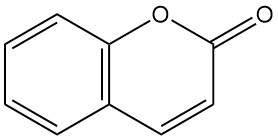
  • coumarin structure
    Organic Chemicals

    Coumarin: Properties, Reactions, Production and Uses

    Coumarin, also known as 2H-1-benzopyran-2-one or 1,2-benzopyrone, is a natural aromatic lactone with the chemical formula C9H6O2. It is a colorless crystalline solid with a bittersweet odor like hay and is used as a fixative in perfumes.

    Read More Coumarin: Properties, Reactions, Production and UsesContinue

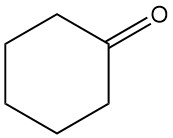
  • cyclohexanone structure
    Organic Chemicals

    Cyclohexanone: Properties, Reactions, Production and Uses

    Cyclohexanone is an organic compound with the chemical formula C6H10O. It is a colorless to pale yellow liquid with an odor similar to that of acetone that is very soluble in most organic solvents.

    Read More Cyclohexanone: Properties, Reactions, Production and UsesContinue

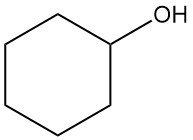
  • cyclohexanol structure
    Organic Chemicals

    Cyclohexanol: Properties, Reactions, Production and Uses

    Cyclohexanol is an organic compound with the chemical formula C6H12O. It is a colorless, viscous liquid or cristalline solid with a camphor-like odor that is very soluble in most organic solvents.

    Read More Cyclohexanol: Properties, Reactions, Production and UsesContinue

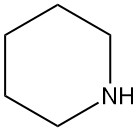
  • Piperidine structure
    Organic Chemicals

    Piperidine: Properties, Reactions, Production and Uses

    Piperidine, also known by other names such as hexahydropyridine, pentamethyleneimine, azacyclohexane, cyclopentimine, cypentil, and hexazane, is a secondary cyclic amine with the chemical formula C5H11N. It is a colorless liquid with a strong, unpleasant odor typical of amines.

    Read More Piperidine: Properties, Reactions, Production and UsesContinue

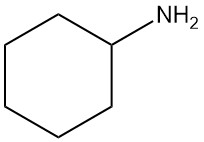
  • Cyclohexylamine structure
    Organic Chemicals

    Cyclohexylamine: Properties, Reactions, Production and Uses

    Cyclohexylamine, also known as aminocyclohexane, is an aliphatic primary amine with the molecular formula C6H13N. It is a colorless liquid that is miscible with water and common organic solvents.

    Read More Cyclohexylamine: Properties, Reactions, Production and UsesContinue

Page navigation

1 2 3 … 9 Next PageNext
At Chemcess, we are dedicated to providing accurate, comprehensive, and trustworthy information. All of our articles are meticulously researched, written, and reviewed by a qualified expert with advanced degrees and extensive research experience in organic, industrial, analytical, and physical chemistry. Our content is exclusively based on peer-reviewed scientific journals, authoritative academic books, and official data from reputable scientific institutions. To learn more about our methodology and commitment to accuracy, you can read our full Editorial Policy.
  • Privacy Policy
  • Editorial Policy
  • Terms and Conditions

Copyright © 2026 | by Chemcess team

  • HOME
  • Chemicals
  • Organic Chemicals
  • Chemical Processes
  • Inorganic Compounds
  • Carboxylic Acids
  • About
  • Contact Us
Search